FRP Grating — Safe, Durable & Corrosion-Resistant Walking Surfaces

What: FRP grating provides a lightweight, corrosion-proof alternative to steel grating for walkways, platforms, trench covers and flooring. Why: Combines excellent slip resistance, high load capacity options, electrical neutrality and long service life — ideal for chemical plants, offshore and wastewater facilities.

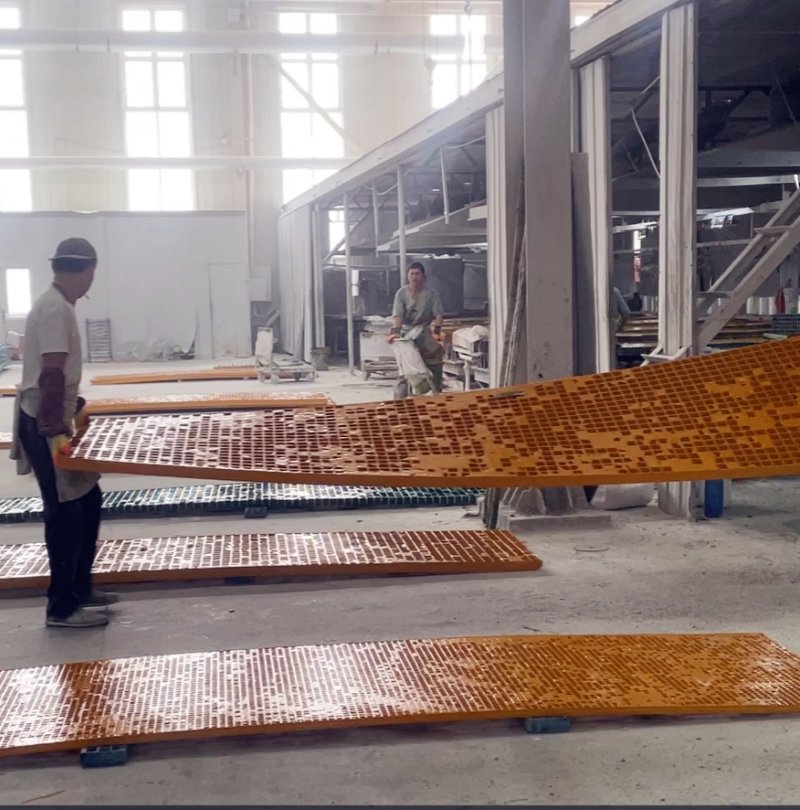
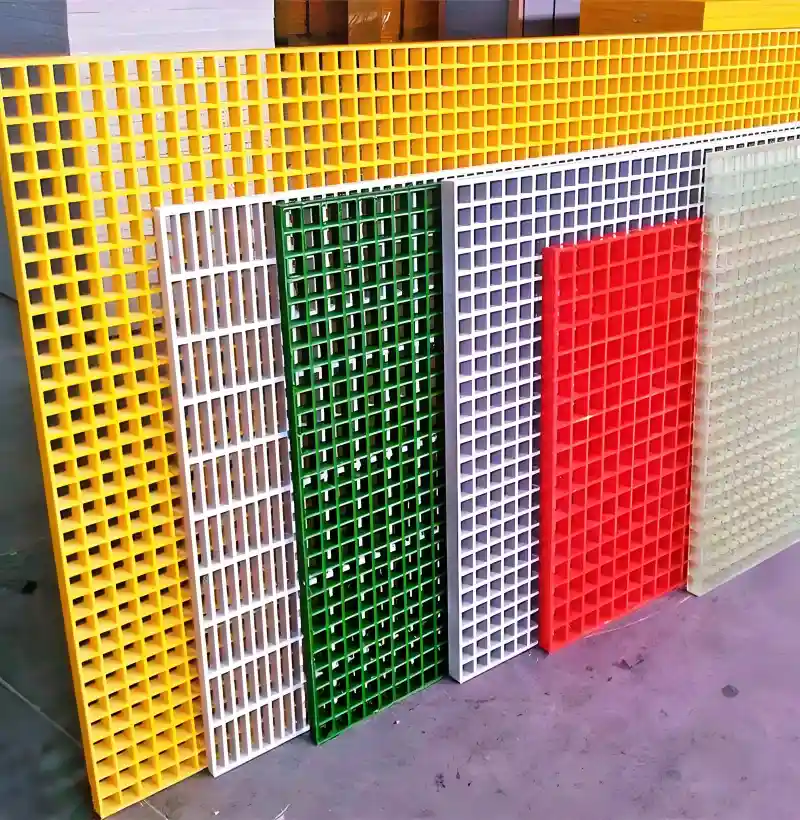
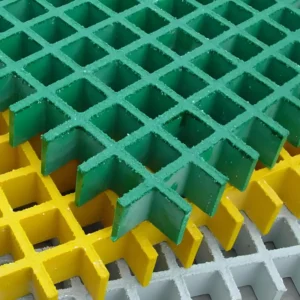
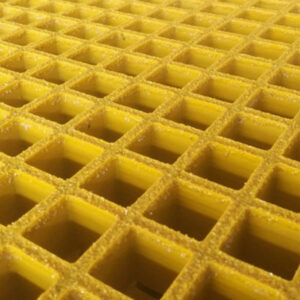
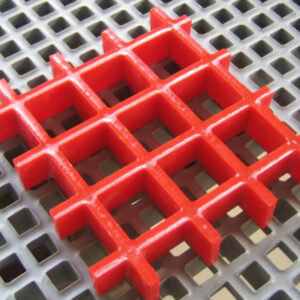
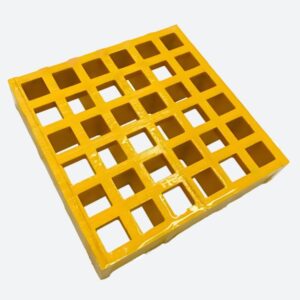
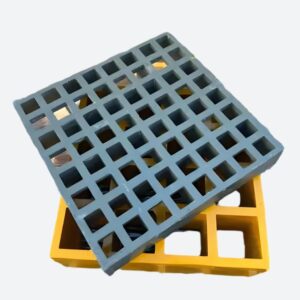
FRP grating platform FRP grating closeup FRP grating

FRP Grating — Types Overview

Common FRP grating types used across industrial and commercial applications. Each item links to a deeper product cluster (replace hrefs with your cluster pages).

Molded FRP Grating

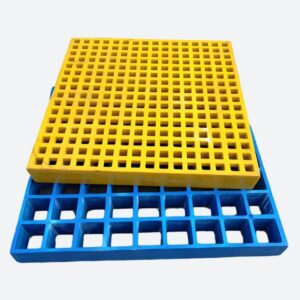
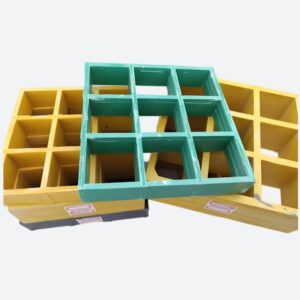
Molded grating is produced in a grid mold where reinforced resin flows and cures, creating a thick cross-section with high compressive strength. It offers good slip resistance and is often used for heavy pedestrian loads, platforms, and drainage covers. Molded panels provide smooth top surfaces and can be specified with grit or anti-slip finishes.

Pultruded Fiberglass Grating

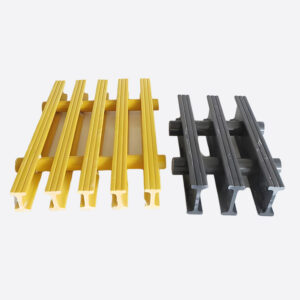
Pultruded grating (sometimes called pultruded bar grating) consists of pultruded bearing bars and molded crossbars or pultruded cross-members. It delivers high strength-to-weight ratio and predictable mechanical properties, ideal for long-span walkways, mezzanines and heavy-duty industrial use where consistent bending stiffness is required.

Covered FRP Grating

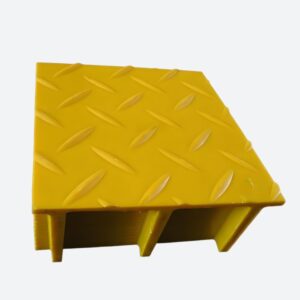
Covered or enclosed grating integrates a protective top layer or is designed to cover open trenches. These systems reduce snagging, prevent debris ingress, and offer a finished appearance for pedestrian areas while retaining drainage and strength characteristics.

Mini-mesh Fiberglass Grating

Mini-mesh grating features smaller grid openings to support smaller wheeled loads (e.g., trolleys, carts) and to prevent small objects from falling through. It balances drainage with tighter support and is popular for food processing platforms and fine equipment areas.

High Load Capacity Molded Grating

Engineered for heavy-point loads and vehicle access in industrial yards, these molded panels use reinforced resin formulations and thicker cross-sections to achieve elevated moment resistance while maintaining corrosion protection and low maintenance.

Conductive Top FRP Grating

Conductive-top or dissipative grating integrates conductive fillers or surface layers to safely dissipate static electricity — essential in explosive atmospheres or areas with sensitive electronic equipment where ESD control is required.

Smooth FRP Grating

Smooth-top grating provides a clean look and is easier to clean than grit surfaces — suitable for environments where slip resistance is still needed but dirt and debris build-up must be minimized, such as food processing or manufacturing aisles.

FRP Concave Grating

Concave (or grooved) grating contains contoured top surfaces to channel liquids and improve traction. Often used in wet areas or platforms exposed to consistent fluid flow to reduce puddling and enhance safety.

FRP Gritted Grating

Gritted grating has mineral grit applied to the top surface for robust slip resistance under oily, wet, or icy conditions. It’s commonly specified for offshore platforms, chemical plants and areas with heavy exposure to contaminants.

Materials Comparison — Resin & Surface Options

Reference table comparing grating resin types and surface finishes for selection and quoting.

Type / PropertyKey PerformanceTypical ApplicationsProsCons
Polyester Resin (Molded)Good general corrosion resistance; cost-efficientWalkways, platforms in non-severe chemicalsLower cost; good mechanical performance for light-medium loadsModerate chemical/temperature limits vs vinyl ester/epoxy
Vinyl Ester ResinStronger chemical and fatigue resistanceChemical plants, seawater-exposed platformsImproved longevity in aggressive environmentsHigher material cost than polyester
Epoxy / High-Performance ResinSuperior mechanical & thermal performanceCritical high-load zones, specialized applicationsHigh strength, excellent bond with reinforcementsMost expensive; used selectively
Smooth / Molded TopEasy to clean, lower dragFood, pharmaceutical, clean processingHygienic, easy maintenanceLower slip resistance unless textured finishing
Gritted / Anti-SlipHigh slip-resistance under contaminationOffshore decks, oily/icy zonesExcellent traction, safetyCan wear over long-term and trap debris
Conductive / Dissipative TopESD safe surface per specificationHazardous areas, electronics assemblyControls static; improves safety in classified zonesUsually higher cost; verify conductivity spec

Tip: For oily/wet environments choose gritted or concave surfaces; for food/clean areas pick smooth-top with slip-resistant patterning as needed.

Selection Guide — Quick Decision Flow

Use the simplified flow to pick the right grating type and surface for your project.

FRP Grating selection flow Start: Site Conditions Corrosive / Seawater Exposure? Heavy Point Loads / Vehicle Access? Vinyl Ester / High Corrosion Resin + Grit Top High-Load Molded / Reinforced Pultruded Grating Select Panel Type & Finish — Cut-to-size & Edge Options

Note: For pedestrian-only walkways mini-mesh or smooth-top may be ideal; for offshore / wet areas prefer gritted or concave surfaces with UV-stable resin.

Industry Standards & Common HS Codes

  • ASTM / EN / ISO — Grating materials commonly reference ASTM and EN test methods for tensile, flexural and slip resistance tests. Use product datasheets to demonstrate compliance.
  • Load & Slip Standards — Specify load class, maximum deflection, and slip resistance class when ordering; our team can provide test reports on request.

Common HS / HTS codes (examples)

Pultruded and molded FRP gratings are often classified under headings for plastic plates/rod/profiled articles or shaped plastics — classification varies by country. Provide technical datasheets to your customs broker for exact tariff classification.

Frequently Asked Questions

Which grating type is best for heavy equipment access?

High-load molded grating or reinforced pultruded grating with thicker bearing bars is recommended. Check panel span, point load rating and deflection limits for vehicle loads.

Can FRP grating be used in food or pharma areas?

Yes — choose smooth-top or sealed surfaces that meet hygiene and cleaning requirements, and specify FDA/food-contact compliant resins if necessary.

How do I specify slip resistance?

Specify grit size or slip-classification, and ask for test data (wet/dry coefficient of friction) for the selected finish.

Are FRP grating panels customizable?

Yes — we supply cut-to-size panels, routed holes, edge-banding, and factory-bonded side rails. Provide layout drawings for accurate nesting and quote.

What is lead time for standard vs custom panels?

Standard stocked panels typically ship within weeks; custom molded or special resin batches may require longer lead times — contact sales for schedule confirmation.

Ready to specify FRP grating panels?

Download the full grating catalogue or request samples and technical support for load checks and installation guidance.

Scroll to Top